
Grocery, Pharmacy, and Prescription Costs: Simple Checks for Adults 55+
Food and prescription costs show up every month. Compare loyalty programs, store brands, pharmacy pricing, discount cards, delivery fees, and benefit rules before assuming one option is cheapest.

Focuses on senior discounts, household bills, local relief programs, debt pressure, and fixed-income budgeting topics.
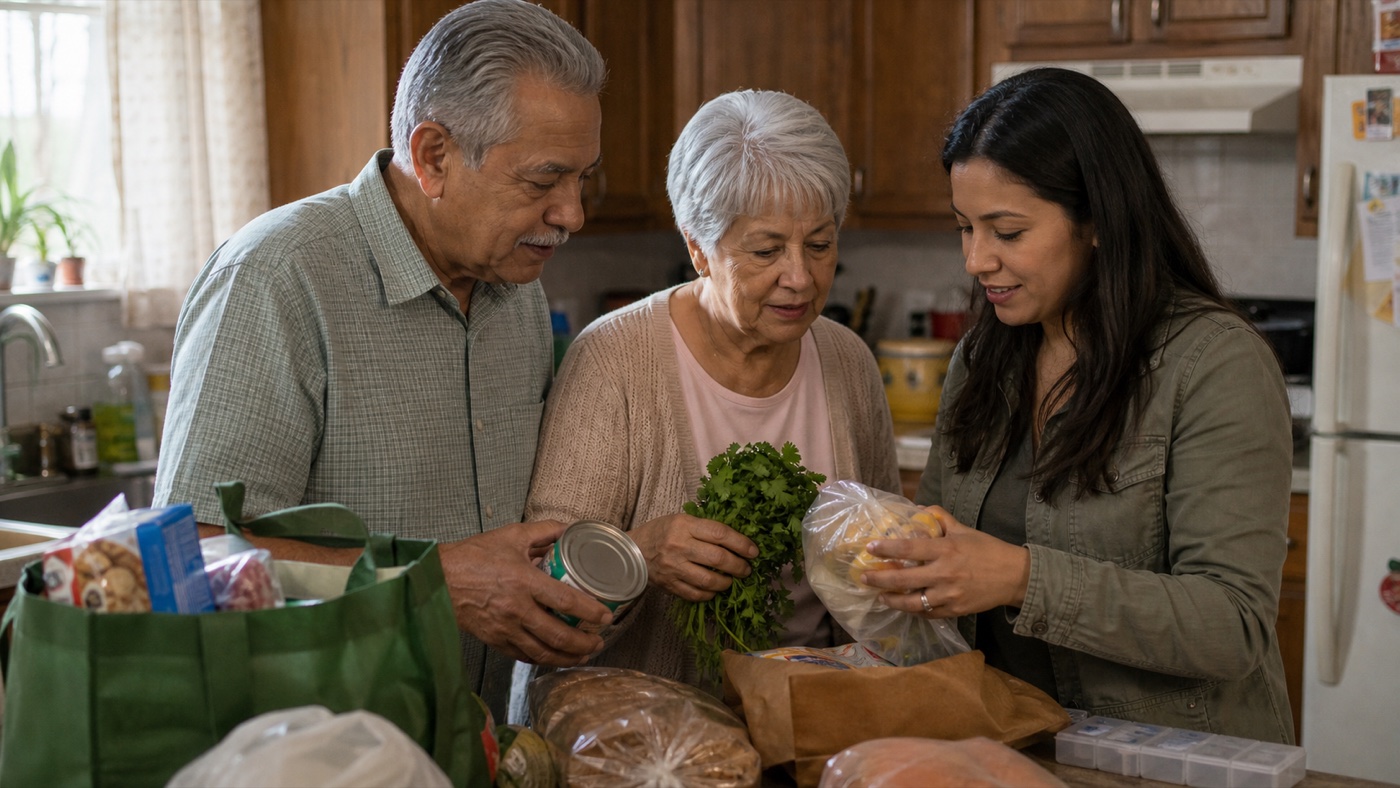
Compare the full trip, not one advertised price
A grocery deal can be offset by delivery fees, minimum orders, substitutions, fuel, membership costs, or impulse purchases. Older adults should compare the total basket and the way they actually shop.
- Store loyalty pricing, senior days, coupons, and weekly circulars.
- Store brands, unit pricing, bulk purchases, and freezer-friendly meals.
- Delivery fees, service fees, tips, minimums, and subscription plans.
Prescription prices can vary by pharmacy and payment method
A medication price may change depending on insurance, pharmacy, dose, quantity, generic availability, discount card, mail-order option, and whether a deductible applies. Ask the pharmacist or plan representative to explain the price path before switching.
Discount cards are tools, not guarantees
Prescription discount cards can help in some cases, but they may not count toward insurance deductibles or out-of-pocket limits. Compare the card price, insurance price, mail-order price, and manufacturer assistance where appropriate.
Public nutrition help should be verified through official sources
Food assistance, senior meal programs, local delivery, and community pantry support vary by location and eligibility. Verify programs through official agencies, local senior centers, or trusted nonprofits rather than through vague ads.
Where to verify this yourself
These official and consumer-protection sources cover the programs and rules discussed above. Rules change, so check the current version before acting.
Was this checklist useful?
One anonymous answer per reader. Results guide the editorial desk and are not displayed publicly until enough real votes exist.