
Property Tax and Local Relief: What Older Homeowners Should Check
Many states and counties offer homeowner exemptions, deferrals, freezes, or circuit-breaker programs. The rules are local, so start with the official office before responding to an ad.

Focuses on senior discounts, household bills, local relief programs, debt pressure, and fixed-income budgeting topics.
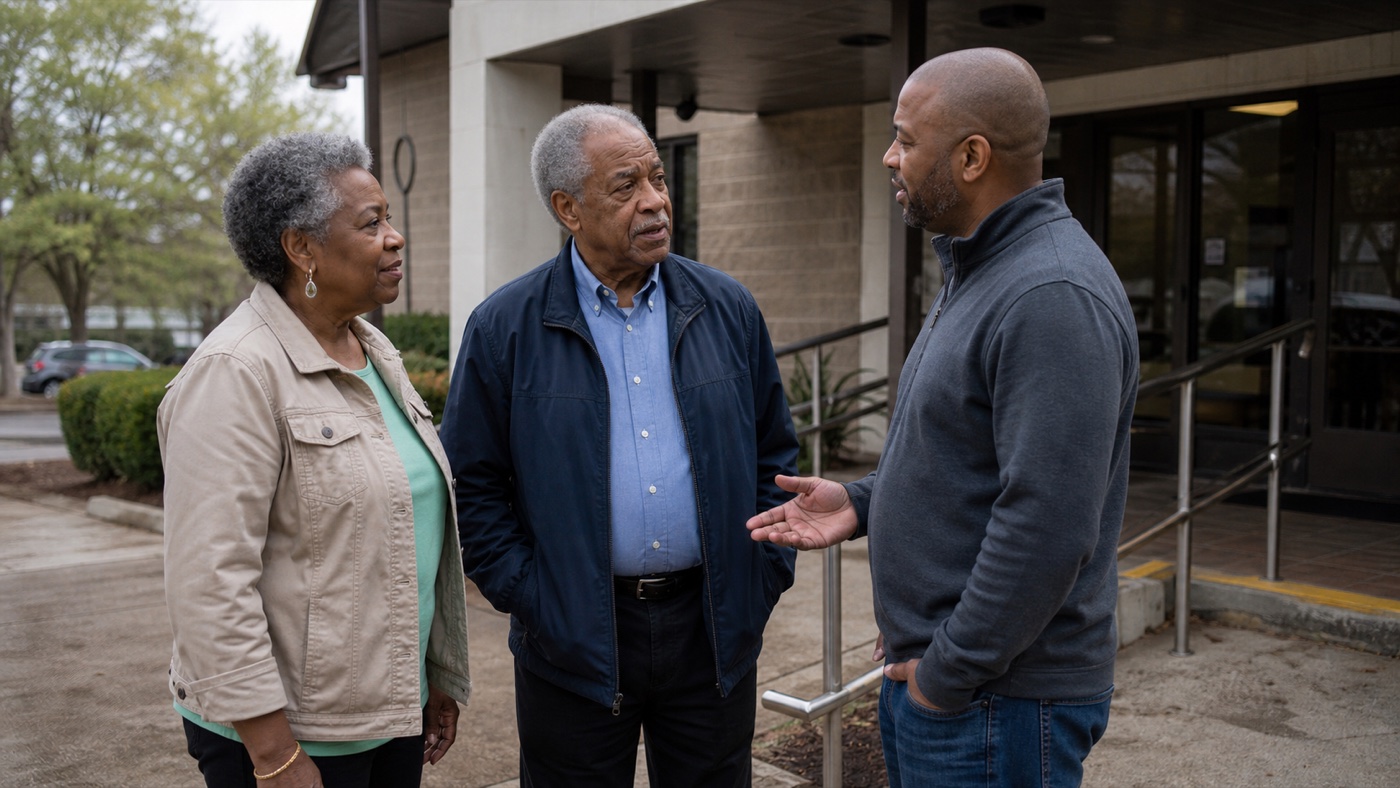
Property tax relief is usually local
A broad national ad cannot tell a homeowner exactly what their county offers. Senior exemptions, homestead benefits, tax freezes, deferrals, and circuit-breaker programs can depend on age, income, disability status, residency, home value, veteran status, and filing deadlines.
- County assessor or property appraiser exemptions.
- Homestead, senior, disability, veteran, or low-income programs.
- Tax deferrals, freezes, circuit breakers, and payment plans.
- Utility, weatherization, and emergency repair assistance.
Start with the official office
The safest first call is usually the county assessor, property appraiser, tax collector, state revenue agency, or local area agency on aging. Ask what programs exist, what forms are required, and when applications are due.
Be careful with third-party filing services
Some companies charge for forms a homeowner can file directly. That does not make every service improper, but the consumer should know whether the fee is optional, what the company actually does, and whether the official office charges less or nothing.
Keep documents and deadlines organized
Older homeowners may need proof of age, ownership, residency, income, disability, military status, or previous-year tax bills. Missing a deadline can delay relief for a full year in some locations.
Where to verify this yourself
These official and consumer-protection sources cover the programs and rules discussed above. Rules change, so check the current version before acting.
Was this checklist useful?
One anonymous answer per reader. Results guide the editorial desk and are not displayed publicly until enough real votes exist.